
Cabinet Refinishing
PPP North Dallas provides residential painting services for residential properties and homes. Our licensed painters perform residential painting by applying high quality paint coatings using brushes, rollers, and sprayers, ensuring even coverage. Each residential painting project adheres to professional painting techniques and compliance with paint warranty standards. Proper residential painting can refresh surfaces, protect them from weather damage, and improve home aesthetics. Customers will experience a meticulous process that prevents chipping or peeling, ensuring a long lasting finish.
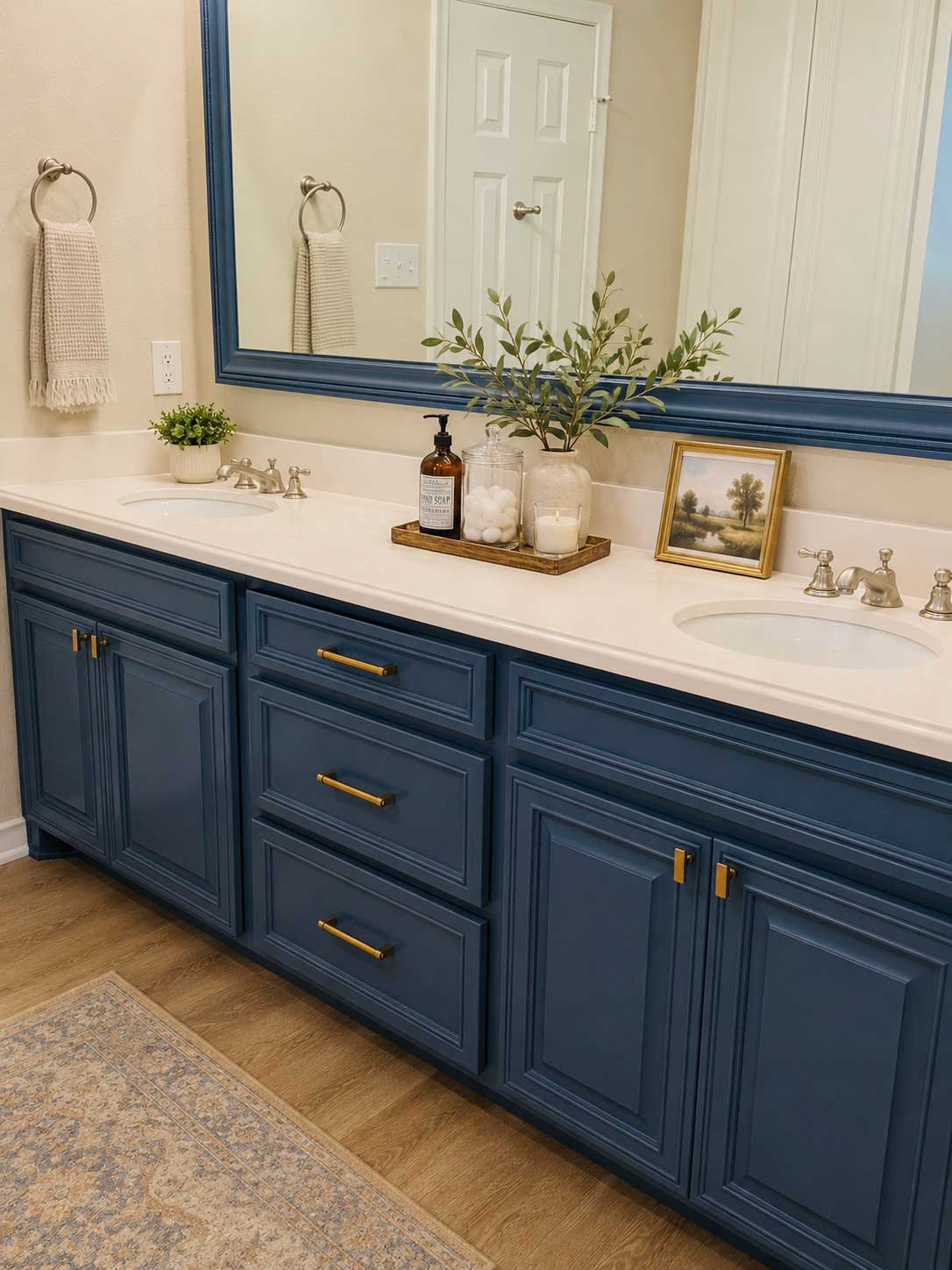
What Cabinet Refinishing Includes
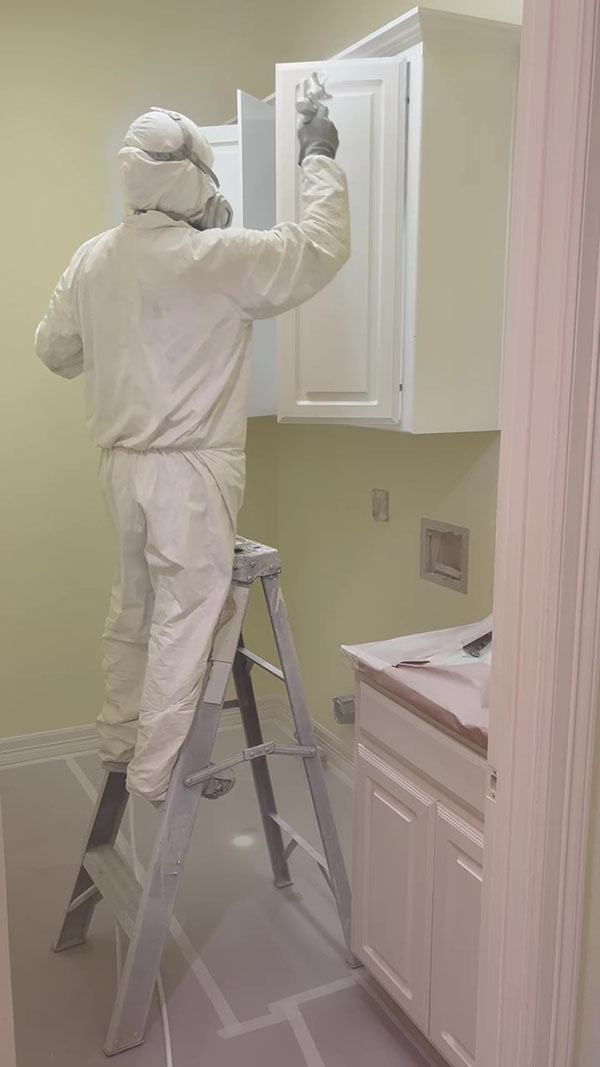
Cabinet Refinishing Process
Clean and Degrease the Surface
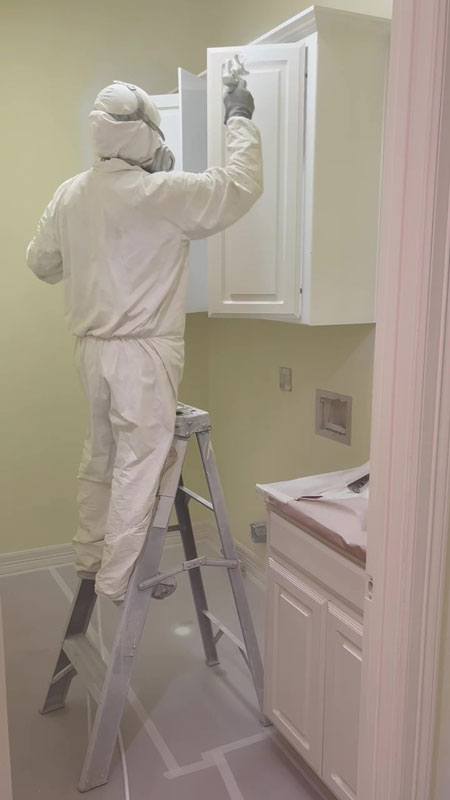
Cabinet surfaces, especially in kitchens, collect years of grease, cleaning product residue, and general buildup. We clean everything thoroughly before any work begins because refinishing over a contaminated surface is one of the main reasons finishes fail early. This step isn't glamorous, but it's load-bearing.
Remove the Old Finish
We strip the existing stain, paint, or factory finish down to the bare surface. This is what separates refinishing from repainting — you're not covering what's there, you're starting over. It's more labor-intensive, but it eliminates the adhesion problems and uneven texture that come with painting over an old finish that's already degrading.
Sanding and Smoothing
Once the old finish is off, we sand the surface in stages — starting coarser to remove residue and moving to finer grits to get a smooth, consistent base. Cabinet doors have profiles, edges, and corners that all need attention. Rushing this step creates texture in the final finish that no amount of topcoat can hide.
Application of Primers
We apply a bonding primer suited to your cabinet material and the finish you're going with — stain or paint. Primer locks in the surface and ensures the topcoat performs the way it's supposed to. Skipping primer is a shortcut that shows up fast, usually as uneven color absorption or early peeling at high-contact edges.
Apply Your Chosen Finish
Whether you're going with a stain to bring out the wood grain or a painted finish for a cleaner, more modern look, we apply it in controlled coats with full dry time between each one. We'll help you choose a sheen level and finish type that makes sense for how your kitchen or bathroom actually gets used — not just what looks good in photos.
What to Expect When You Hire a Refinishing Professional
The difference between refinishing and repainting is significant
A lot of homeowners come to us after a painter quoted them a "cabinet refresh" that turned out to be paint applied over their existing finish with minimal prep. That can look fine for a few months. Refinishing is a different process — the old finish comes off, the surface is rebuilt, and the result lasts proportionally longer. It costs more than a surface repaint, and it's worth understanding why before you decide which one you actually need.
Why the prep stage takes as long as it does
If a refinishing quote seems suspiciously fast, it's usually because the prep is being compressed. Stripping, cleaning, and sanding properly takes time — and that time directly determines how long the finished surface holds up under daily use. We don't pad our timelines, but we don't cut them short either. When we give you a project window, it's because that's what the work actually requires.
Stain versus paint: it's not just a style question
If your cabinets are solid wood, refinishing with stain can be a genuinely beautiful result — it brings the grain back to life and gives the space warmth that paint doesn't replicate. If they're MDF or a wood composite, paint is usually the better call because those materials don't absorb stain the way wood does. We'll look at your actual cabinets and tell you what will perform best, not just what's trending.
What "done right" actually looks like
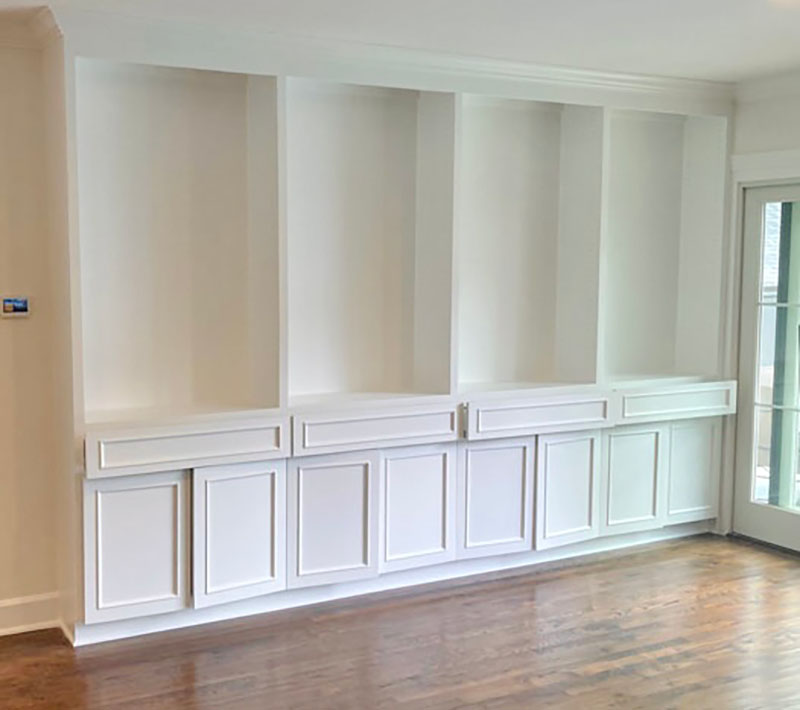
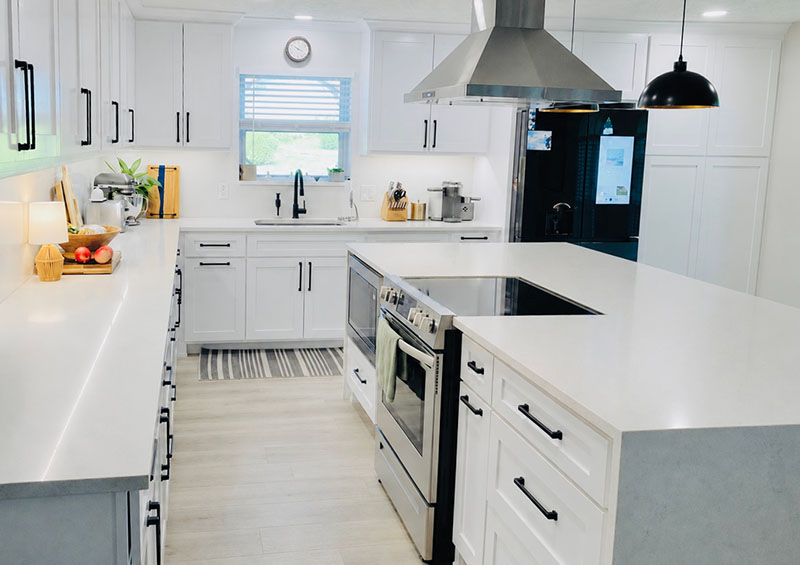
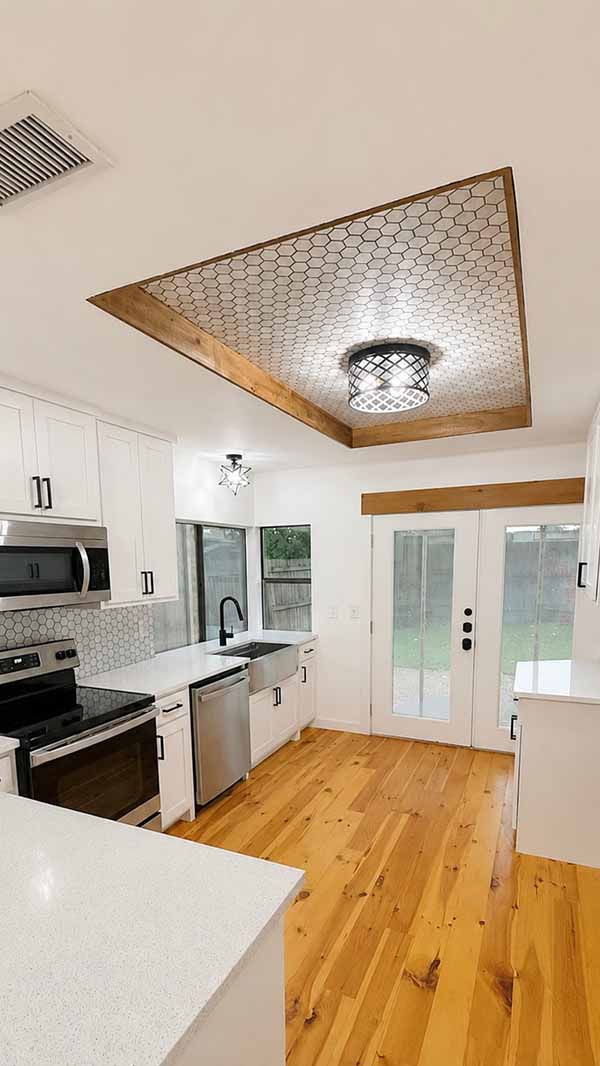
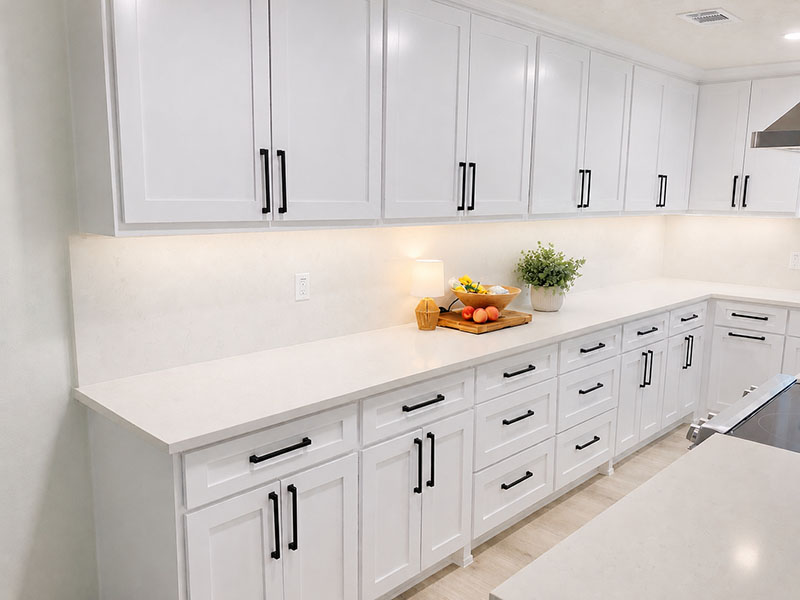
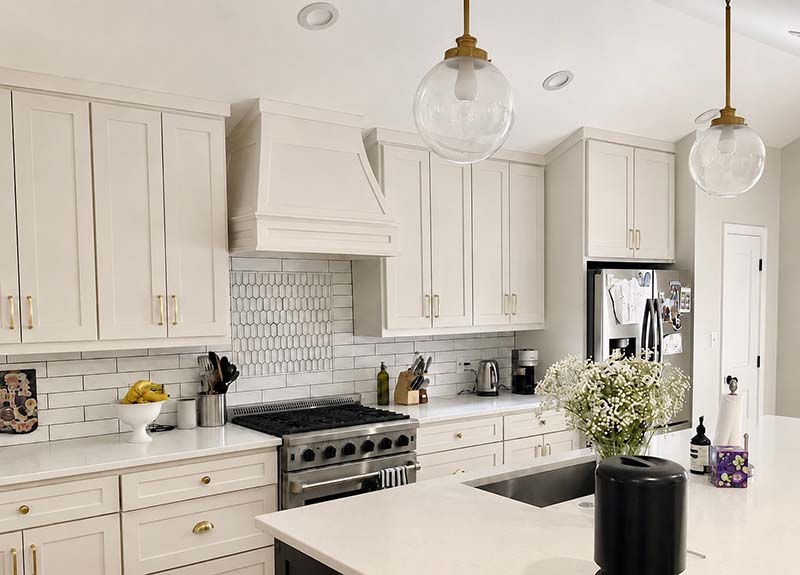
A well-refinished cabinet has consistent color, smooth edges, and clean corners — no brush marks, no bleed at the hinge points, no soft spots that dent when you push on them. The finish should feel intentional. If you've had a refinishing or repainting job done before that didn't hold up the way you expected, there's usually a specific reason. We're happy to look at what happened and tell you what it would take to fix it.
Cabinet Refinishing FAQs
How is cabinet refinishing different from cabinet painting?
Cabinet painting typically applies new paint over the existing finish with surface prep but without stripping. Refinishing removes the old finish entirely before anything new goes on. Refinishing requires more labor and time, but it addresses problems at the surface level rather than covering them — which is why the results tend to last longer and look more consistent.
How long does the cabinet refinishing process take?
Most kitchen cabinet projects take three to four days from start to finish, accounting for the stripping and sanding stages plus dry time between coats. Bathroom vanities are usually one to two days. We'll give you a specific timeline when we see the cabinets in person — the condition of the existing finish and the number of doors both factor into it.
Do I need to leave my home during the project?
Not necessarily. We do work in your kitchen, and there will be some odor from stripping agents and primers, so good ventilation matters. We'll let you know in advance what to expect on each day of the project so you can plan accordingly. Most homeowners are in and out of the house normally without any issues.
Can all cabinet materials be refinished?
Solid wood cabinets are ideal candidates for refinishing and handle both stain and paint well. MDF and wood composite cabinets can absolutely be refinished, but they're better suited to paint than stain since they don't absorb stain evenly. Cabinets with significant structural damage — warped doors, broken joints — may need repair work addressed before refinishing makes sense. We'll flag anything like that during the estimate.
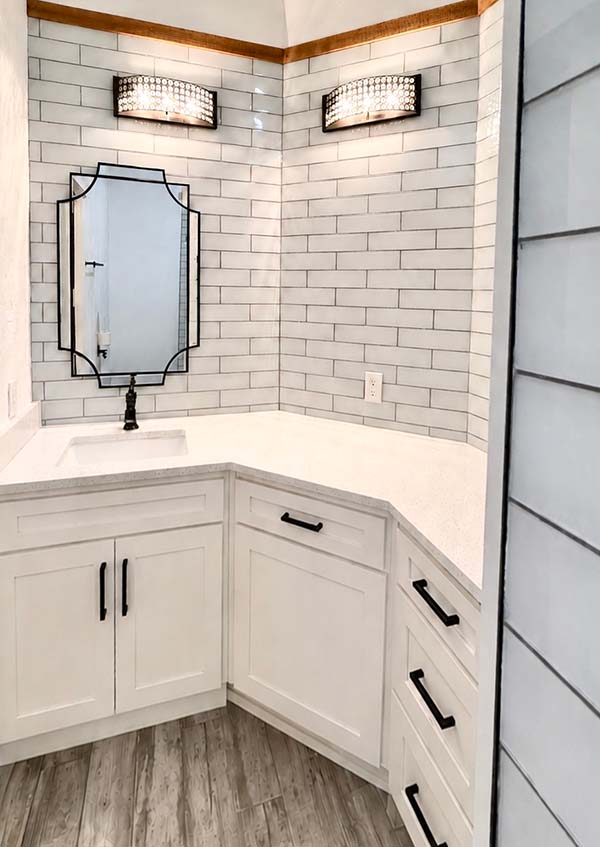
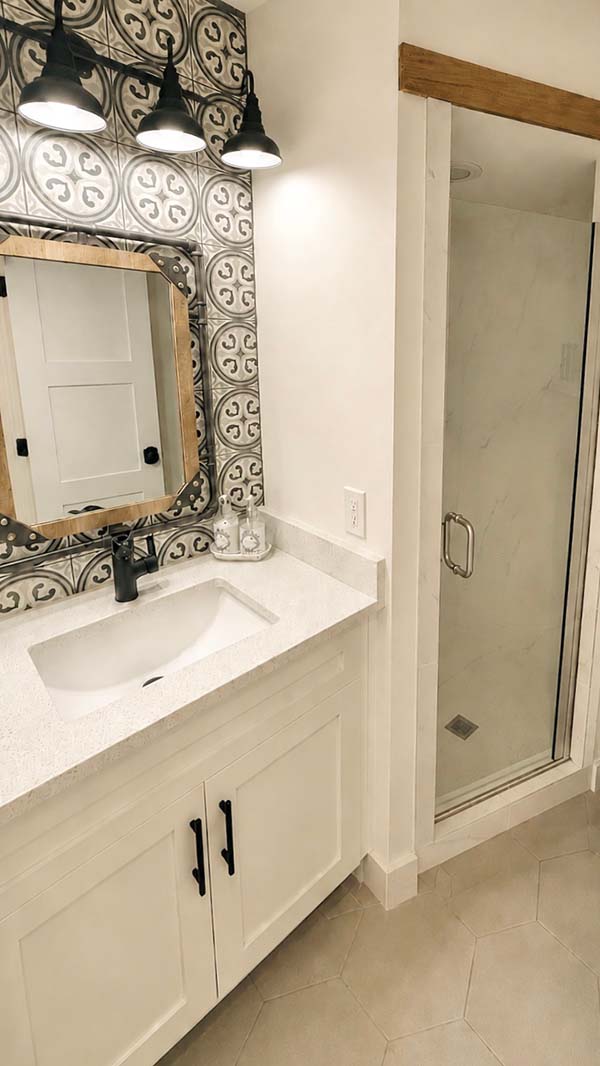
Call PPP North Dallas for Your Cabinet Refinishing Project
Cabinet refinishing is one of the more involved projects we take on — and one of the more satisfying ones when it's done right. If your cabinets have been on your list for a while, an estimate is the right first step.