
Fence Staining
Wood fences don't fail all at once. They gray out gradually, start to splinter, and lose their ability to repel moisture until one season the damage has gone further than a coat of stain can fix. Staining done at the right time protects the wood before it reaches that point, preserving the structure and the appearance without the cost of replacement. PPP North Dallas handles fence staining for homeowners and commercial property owners who want their wood protected correctly and finished to last.
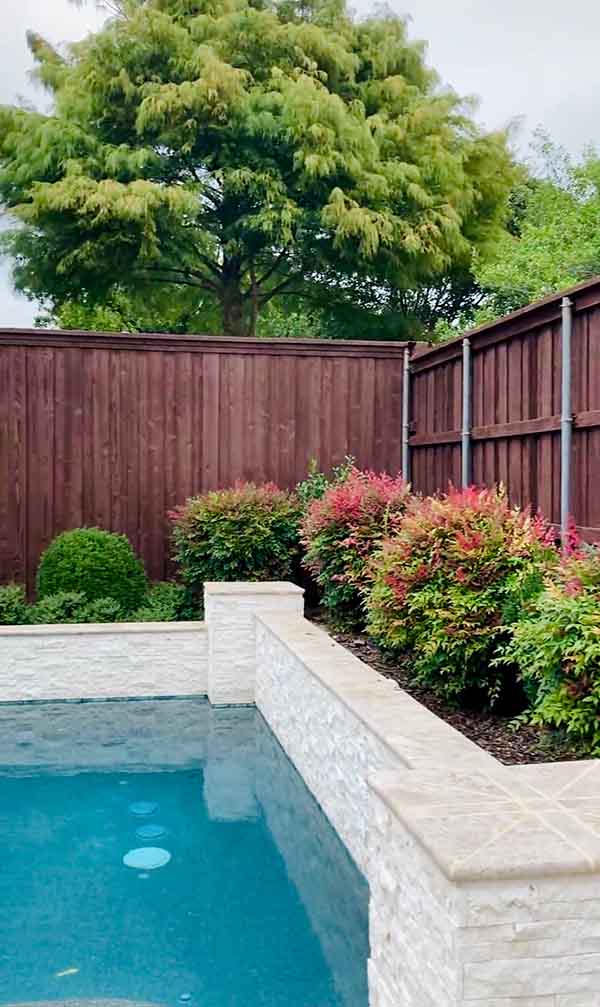
What Fence Staining Includes
Fence Staining Process
Clean the Fence Thoroughly
Stain penetrates wood — which means anything sitting on the surface between the stain and the wood blocks absorption and causes uneven results. We clean the full fence to remove dirt, mildew, algae, and old stain or sealer residue before anything else happens. Mildew in particular is easy to miss on weathered wood, and staining over it causes the stain to fail in those spots within a season.
Sand and Open the Wood Grain
Weathered fence wood develops a gray surface layer that's essentially dead fiber — it looks like wood but doesn't absorb stain the way sound wood does. We sand weathered sections to expose clean wood underneath and open the grain so the stain can penetrate evenly. This step is the difference between a consistent finished color and a blotchy, uneven result that looks worse in certain lighting conditions.
Condition Wood Where Needed
Not every fence section needs wood conditioning before staining, but bare wood exposed by sanding, end cuts, and areas with heavy weathering typically do. Wood conditioning on these spots controls absorption and prevents the stain from soaking in too fast and too unevenly in damaged areas. We assess this section by section rather than applying a blanket approach to the whole fence.
Apply Stain with Approved Coatings
We apply stain using manufacturer-approved products matched to the wood species and the level of protection the fence requires. Application method — brush, roller, or sprayer — depends on the fence style and the finish quality needed. Sprayers cover large privacy fence sections efficiently; brushes work better for detailed sections where control matters more than speed. We work in conditions that support proper penetration and don't push forward in heat or humidity that affects how the stain absorbs.
Seal and Inspect
After the stain has set, we apply a sealer where the project calls for it — adding a protective barrier against moisture, UV exposure, and the freeze-thaw cycles that work stain out of wood over time. We then inspect the full fence for any areas with uneven coverage, missed sections, or runs, and handle touch-ups on site before the project is complete.
What to Know Before Staining Your Fence
Stain works with the wood — that's both its strength and its limitation
Unlike paint, stain penetrates into the wood fiber rather than sitting on top of it. That means it moves with the wood as it expands and contracts seasonally, which is why stain doesn't peel the way paint does. The trade-off is that stain requires sound, clean wood to absorb evenly. A fence with significant surface deterioration, rot, or heavy mildew damage may not be a good staining candidate without repair work first — and we'll tell you that honestly during the estimate rather than stain over problems that will show through.
Product quality and application method both matter
There's a wide range in stain quality, and the difference shows up within the first year or two in how well the color holds, how effectively the wood is protected, and how the stain ages. PPP North Dallas uses manufacturer-approved coatings selected for the specific wood and exposure conditions — not whatever's on hand or on sale. Beyond product quality, application technique affects penetration: stain applied too heavily sits on the surface instead of absorbing into it, which leads to peeling behavior similar to paint. We apply at the right rate for the wood and conditions.
The prep-to-stain ratio is not what most people expect
Homeowners who've attempted fence staining themselves often find that the staining itself goes quickly — and everything before it takes far longer than anticipated. Cleaning, drying time, sanding, and conditioning are the stages that determine whether the stain holds up for two years or five. Compressing prep to get to the staining faster is the most common reason fence stain jobs need to be redone ahead of schedule. We don't treat prep as a line item to minimize, because it's where the durability of the finished product is actually decided.
How to tell when your fence needs staining versus replacement
A fence that's structurally sound but weathered and gray is a good staining candidate. A fence with significant rot, cracked or broken boards, or posts that have lost structural integrity is a different conversation — staining it addresses the appearance but not the underlying problem. When we come out for an estimate, we'll look at the full condition of the fence and give you an honest read on whether staining makes sense, whether repairs should come first, or whether certain sections have gone past the point where staining is the right call.
Fence Staining FAQs
How often does a wood fence need to be restained?
Most wood fences benefit from restaining every two to three years, though fences with heavy sun exposure or significant moisture contact may need attention on the shorter end of that range. Fences in more sheltered conditions can stretch to four years or beyond. The type of stain and sealer used, and the quality of the prep work, both affect how long the protection holds. We'll give you a realistic expectation based on your specific fence and conditions.
Can you stain a fence that's already been painted?
Generally, no — not with a penetrating stain. Stain needs to absorb into the wood, and existing paint creates a barrier that prevents that. If your fence has been painted, the options are stripping the paint back to bare wood before staining, or repainting rather than staining. We'll assess the surface during the estimate and tell you what's actually feasible given the current condition.
Do both sides of the fence need to be stained?
For protection purposes, both sides benefit from staining — the unexposed side still absorbs moisture and weathers, and leaving it untreated accelerates wood movement that affects the stained side over time. That said, the decision often comes down to access and budget. We'll include both sides in the estimate so you have a clear number to work with and can decide accordingly.
How long after staining can I use the fence normally — dogs, kids, furniture against it?
Light contact is usually fine within 24 to 48 hours, but full cure — including furniture placement and heavy contact — typically takes longer depending on the stain product, temperature, and humidity. We'll give you specific guidance for the product we're using on your project. Rushing this window is one of the easiest ways to damage a fresh stain job, so we'd rather give you a conservative number than an optimistic one.
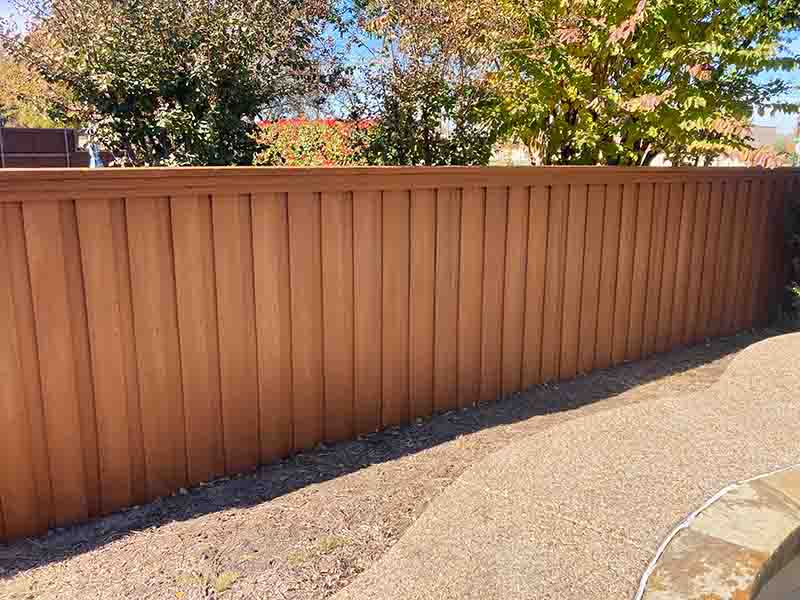
Call PPP North Dallas for Your Fence Staining Project
A properly stained fence is one you won't have to think about again for a few years — and catching it before the wood deteriorates too far keeps replacement off the table longer. If your fence is due for attention, an estimate is the right place to start.