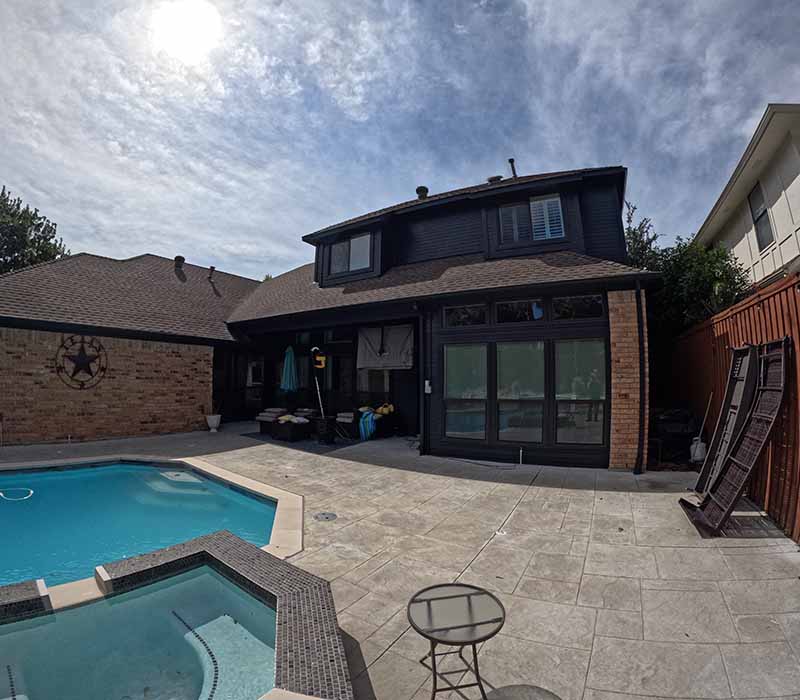
Exterior Painting
The outside of a building experiences weather, UV exposure, and temperature swings year-round and when the paint starts failing, it's not just a cosmetic problem. Peeling and cracking paint exposes wood and siding to moisture damage that compounds quickly and gets expensive to fix if it's left alone. PPP North Dallas handles exterior painting for homeowners and commercial property owners who want the job done with the right products, the right prep, and a finish that holds up past the first season.
What Exterior Painting Includes
- Surface cleaning and preparation
- Scraping and sanding of failing paint
- Primer application
- Wood surface painting
- Siding painting
- Protective coating application
- Final inspection and touch-ups
Exterior Painting Process
- Clean and Prepare the Surface: Exterior prep is where most paint jobs either succeed or fail before a brush comes out. We clean the full surface, removing dirt, mildew, chalking paint, and any contaminants that would prevent new paint from bonding, and then scrape and sand areas where the existing paint has lifted, cracked, or lost adhesion. Paint applied over a surface that hasn't been properly prepared will fail on the same timeline as the paint it was covering.
- Repair and Address Surface Damage: Once the surface is clean, we look for wood rot, damaged siding, gaps at joints and trim, and any areas where moisture has worked its way in. Minor repairs get handled before primer goes on. This matters because painting over deteriorating wood or open gaps doesn't stop the damage — it just delays the point at which you'll have to address it anyway, usually at greater cost.
- Apply Primer: Primer on an exterior job isn't a formality. It seals bare wood, blocks stains and tannins from bleeding through the finish coat, and creates the adhesion layer that lets the paint perform to its rated lifespan. We select primer based on the surface material, the condition of the substrate, and the topcoat product we're using — not a one-size approach across every exterior we paint.
- Apply Paint and Protective Coatings: We apply paint in conditions that support proper adhesion and cure — temperature and humidity both affect how exterior paint sets, and we don't push forward in conditions that compromise the result. Protective coatings go on where the surface demands them: areas with high moisture exposure, direct sun, or surfaces that face more wear than a standard topcoat handles on its own. Each coat gets adequate dry time before the next one is applied.
- Final Inspection: When the work is complete, we walk the full exterior — checking trim lines, transitions between surfaces, areas around windows and doors, and any spots where two materials meet. Touch-ups happen before we leave. You'll see the finished product in full daylight before we call it done.
What to Expect From a Professional Exterior Paint Job
Exterior paint isn't just about color, it's a protective system
The paint on the outside of a building is doing real work: blocking moisture, reflecting UV, and protecting the underlying materials from the elements. When that system fails — through poor product selection, inadequate prep, or skipped primer — the damage doesn't stop at the paint. Wood rot, siding deterioration, and water intrusion all follow a failed paint job. A well-executed exterior paint project protects the building, not just its appearance.
Why the paint product you use matters as much as the labor
Exterior paint quality varies significantly, and the difference shows up quickly in real-world conditions. Lower-grade products fade faster, lose adhesion sooner, and don't handle temperature swings the way higher-grade products do. We use professional-grade exterior coatings matched to the surface type and the exposure conditions the building faces. If you're comparing bids and one is substantially lower than others, the product specification is one of the first places to look for the difference.
Scheduling an exterior job around weather is part of the process
Paint applied in the wrong conditions — too hot, too humid, right before rain — doesn't cure correctly, and it shows up in the finish and the longevity. We schedule exterior projects with weather in mind and communicate clearly if conditions require a delay. This isn't a hedge, it's a direct factor in whether the finished paint job performs the way it should.
What a properly finished exterior actually looks like
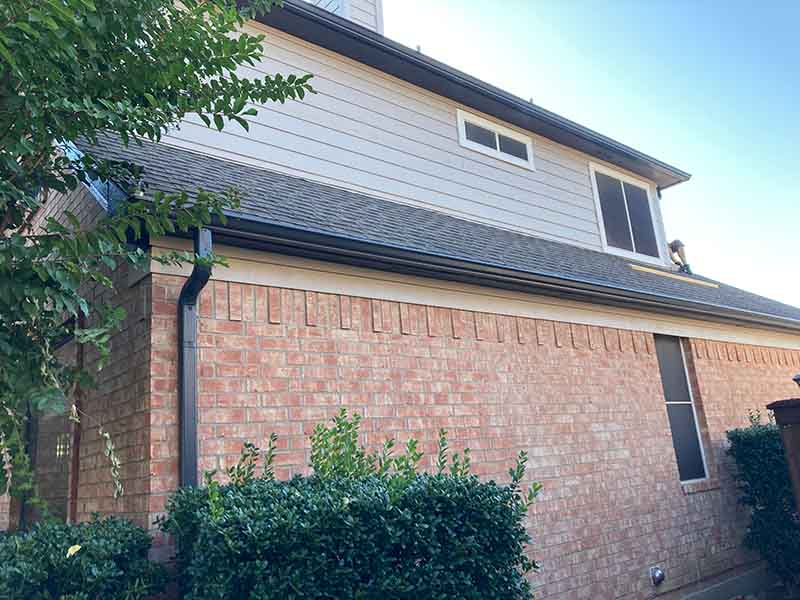
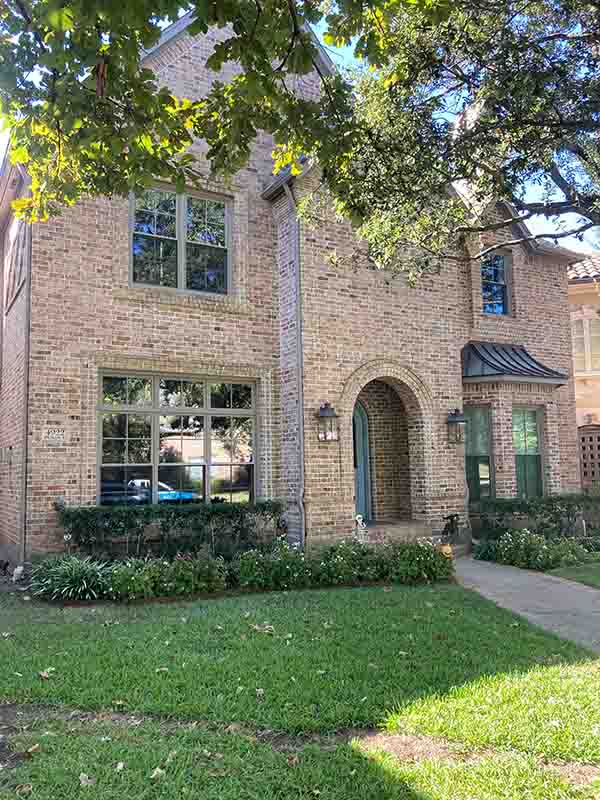
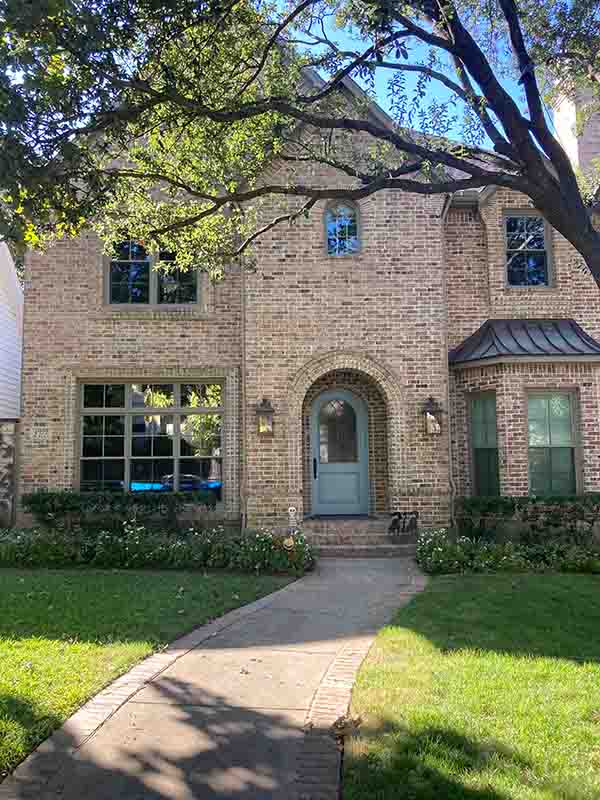
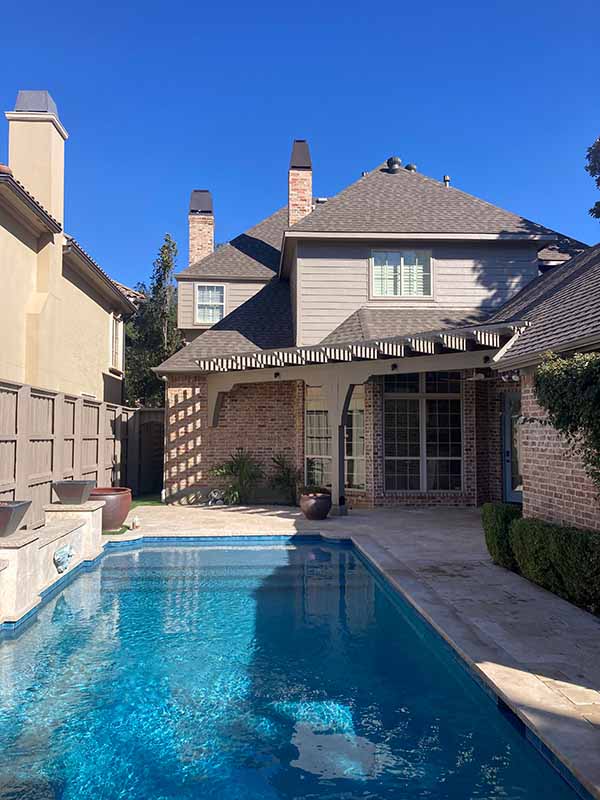
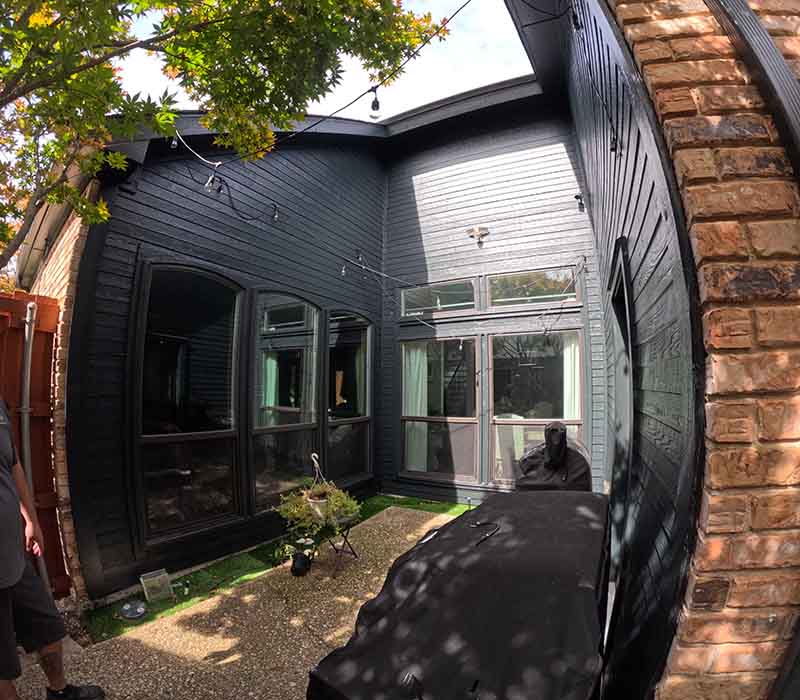
Clean, consistent coverage across all surfaces. Sharp lines at trim and transitions. No lap marks across large wall sections. No paint on windows, hardware, or surfaces it shouldn't be on. An exterior paint job should look deliberate from the street — not just recently painted. The standard we hold our work to is the same one we'd apply to our own buildings.
Exterior Painting FAQs
How long does exterior painting take?
Most residential exteriors take two to four days, depending on the size of the building, the condition of the existing surface, and how much prep and repair work is needed. Larger commercial buildings or those with significant deterioration take longer. We build realistic timelines into every estimate — not optimistic ones that compress the prep stages.
How do I know if my exterior needs repainting or if there's underlying damage to address first?
The two often go together. When we come out for an estimate, we look at the full condition of the exterior, not just the paint. If there's wood rot, damaged siding, or moisture intrusion that needs to be addressed before painting makes sense, we'll tell you. Painting over structural damage isn't a solution, and we'd rather flag it honestly than put a fresh coat over a problem that will resurface.
What's the best time of year to paint an exterior?
Mild temperatures and low humidity produce the best conditions for exterior painting — typically spring and fall in most climates. Extreme heat causes paint to dry too fast and affects how it levels; high humidity slows cure time and can cause adhesion problems. We'll advise on timing based on the conditions in your area and work around weather as needed throughout the project.
How long should exterior paint last?
A properly prepared and painted exterior with quality products should hold up seven to ten years under normal conditions. Sun exposure, surface material, and the quality of prep all affect that range. Surfaces that face direct south or west sun tend to show wear sooner. We'll give you a realistic expectation for your specific building based on what we see during the estimate.
Call PPP North Dallas for Your Exterior Painting Project
Exterior painting is one of the most visible and protective investments you can make in a building and the difference between a job that lasts and one that doesn't comes down to what happens before the paint goes on. If your exterior is ready for attention, an estimate is the right place to start.